

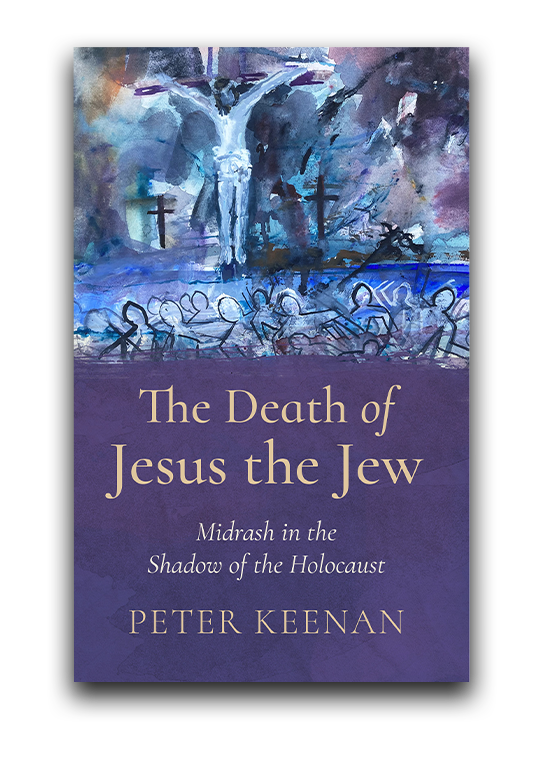
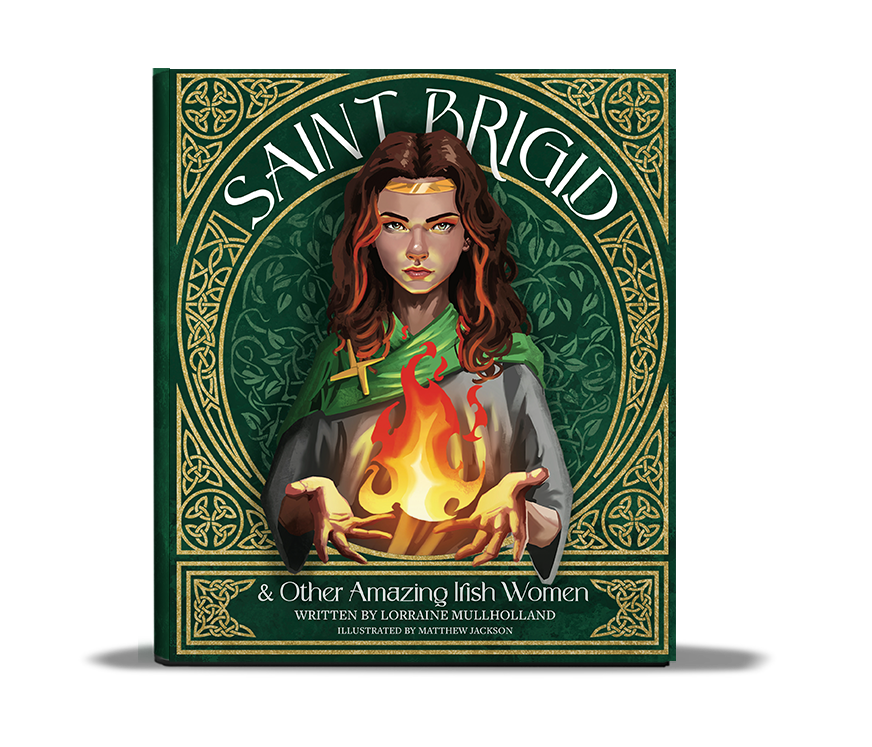

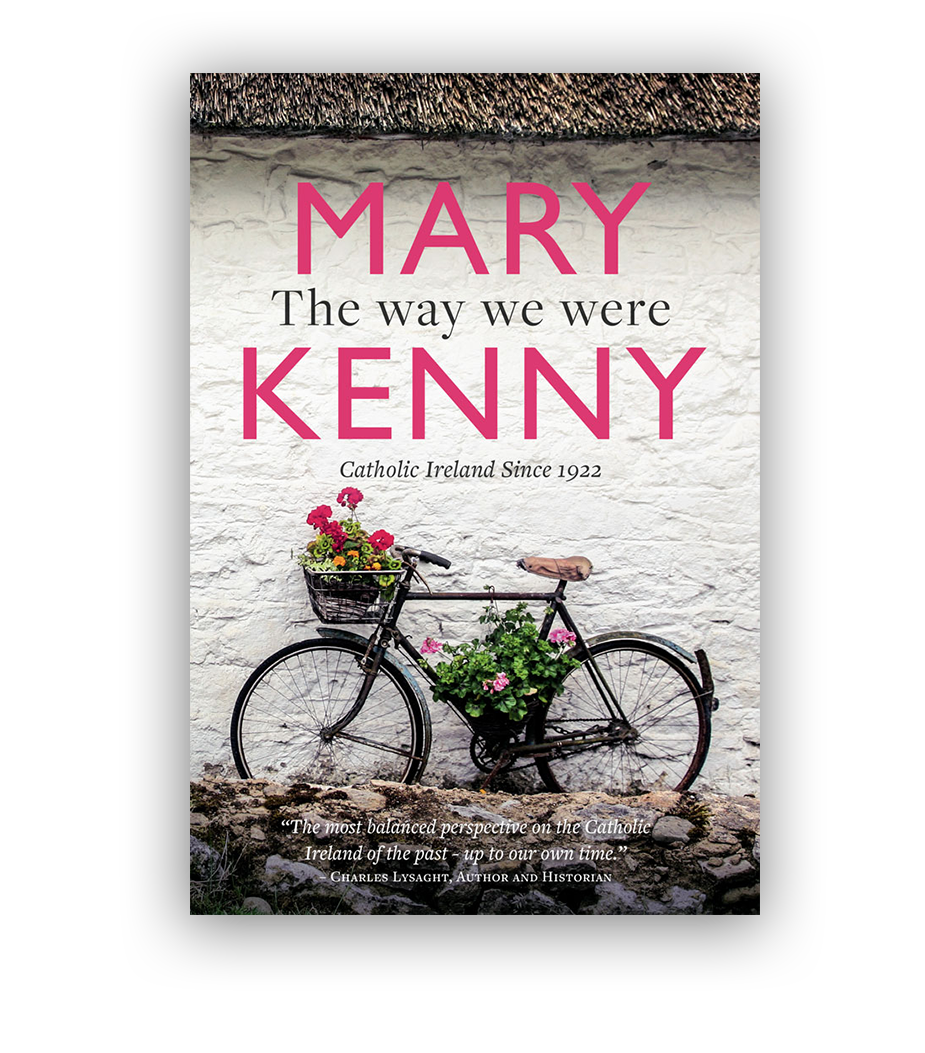
Discover Your Next Spring Read
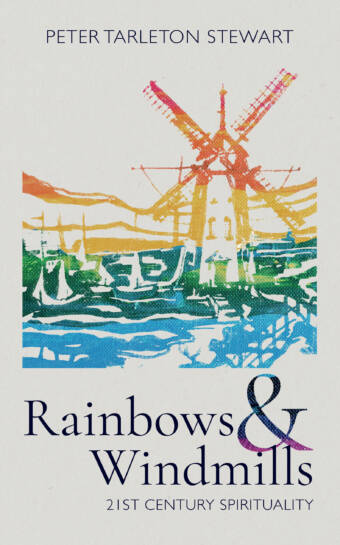
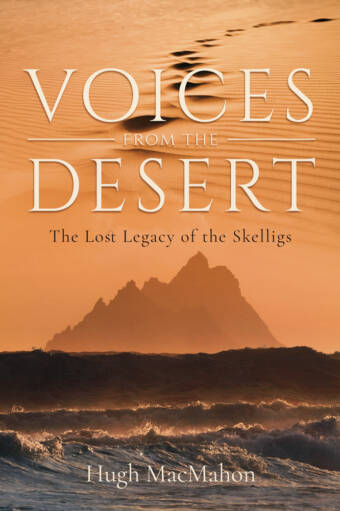
Columba Authors
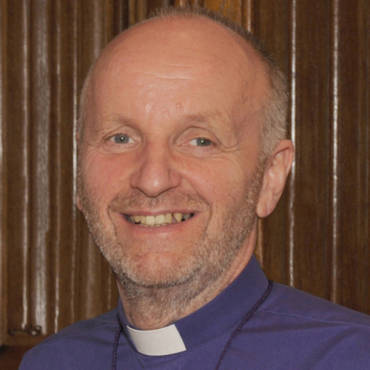
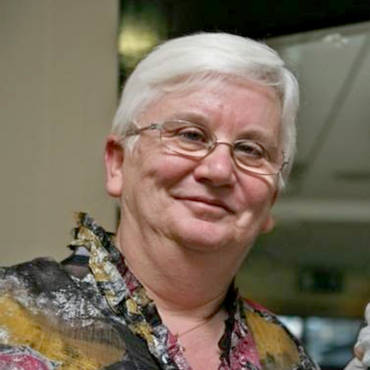


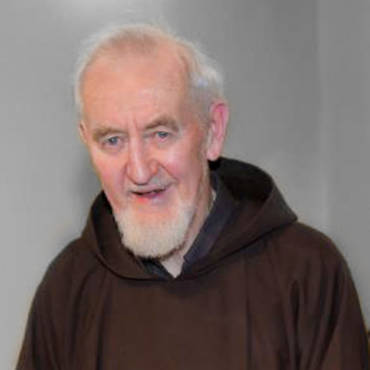
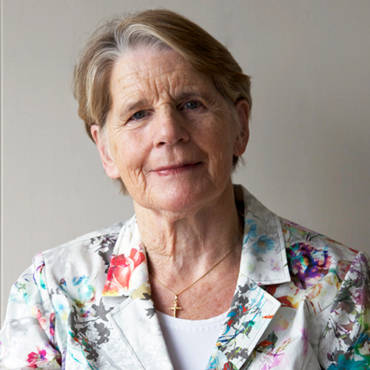
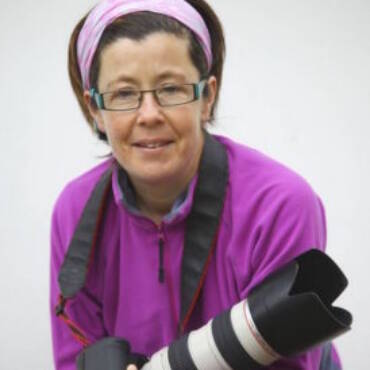
Featured Author
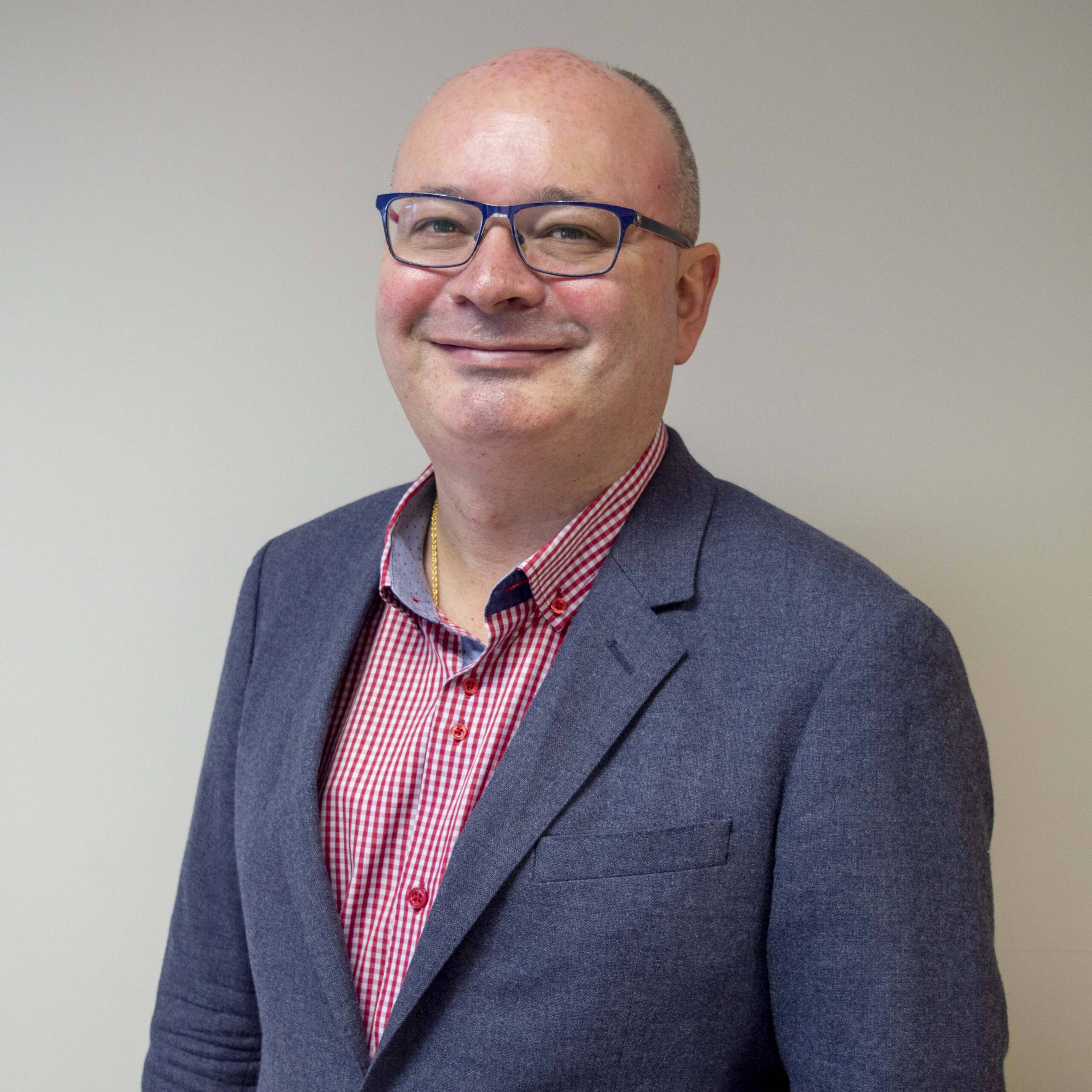
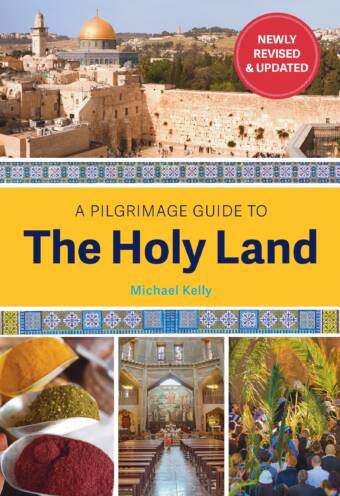
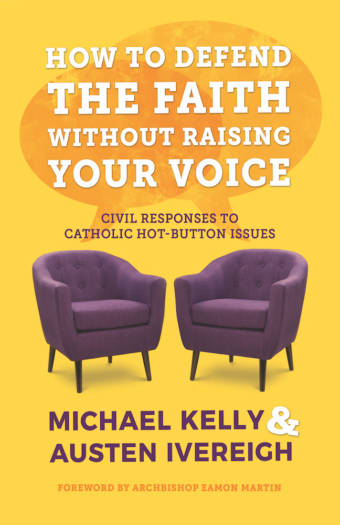
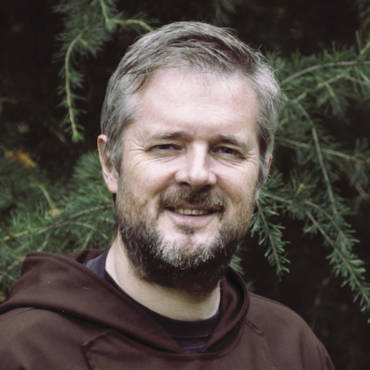
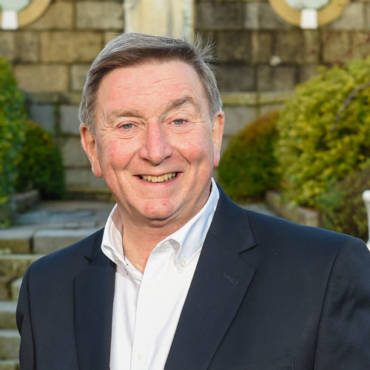
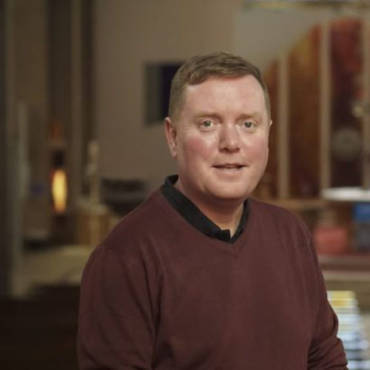
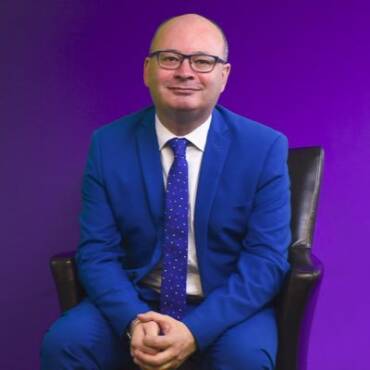
Michael Kelly
Michael Kelly is an award-winning writer and broadcaster specialising in religious and social affairs. Born and raised in Northern Ireland, he attended the Pontifical University St Patrick’s College, Maynooth where he obtained degrees in philosophy and theology and the Pontifical University of the Holy Cross in Rome where he studied social institutional communications. He was Managing Editor of The Irish Catholic newspaper until December 2023, a weekly columnist with The Irish Independent and a regular contributor to radio and TV current affairs programmes.
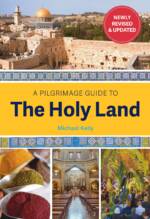
Featured Book
Latest News
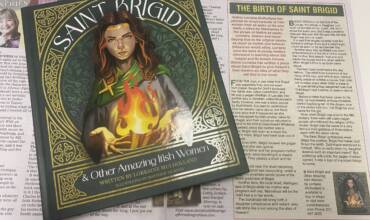
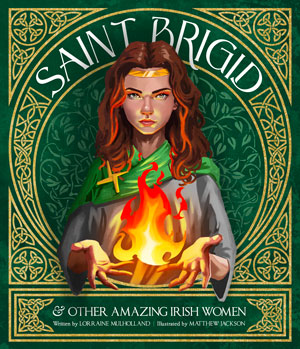
The birth of St Brigid
Author Lorraine Mulholland was invited to write in the oldest magazine of Ireland, Ireland’s Own
Read More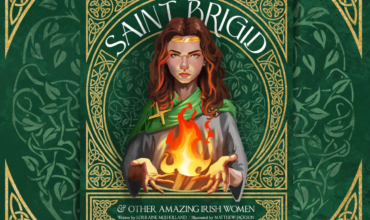
Five Brief Tales of Bountiful Brigid
In honour of St Brigid’s Day, lets read a few interesting stories from her life that made her the powerful women we all know of today
Read More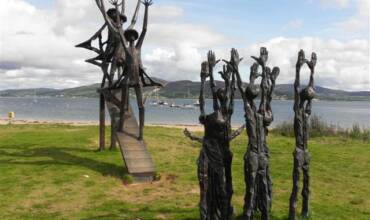
Stay in Touch with our Updates
Please note we are currently closed for manuscript submissions